Why Livewell Mobility Is Right For You
Livewell Mobility – Turnkey Solutions For Seniors and Their Families Livewell Mobility, a locally-owned company, helps families with elderly parents to live comfortably and safely at home. Their turnkey solutions include stairlifts, wheelchair ramps and home elevators. When it became difficult for Jerry Dobbs to climb the staircase of his two-story house He turned to LiveWell Mobility and Modifications, a company based in Katy. However, their solution was not without its problems. Multiple Sclerosis Multiple sclerosis affects the central nervous system in a sporadic way. It can affect different areas of the brain in different ways. The symptoms may not be apparent to others, and they can change from time to time. Some people are not afflicted often, whereas others experience intense pain, fatigue and incoordination. In the early stages of MS, symptoms may be visible to others. They may include difficulty walking, an alteration in the style of walking, uncontrolled movements muscles stiffness or weakening, problems with coordination and balance, numbness, or pins-and-needles, and an sensitivity to heat and cold. It is crucial to keep track of these symptoms and inform your doctor or healthcare professional if they change. 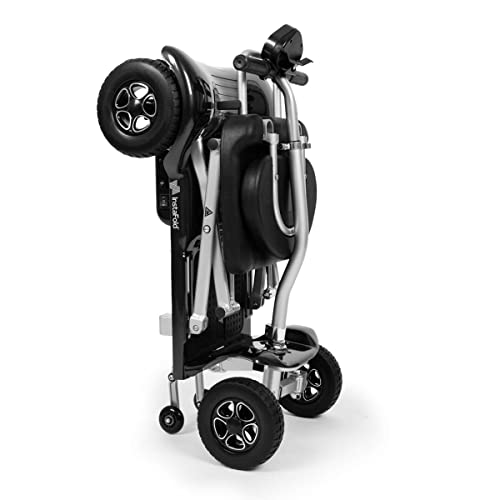 As foldable scooter progresses the symptoms can become more severe and could result in spasticity and muscle weakness. These can cause a person to lose control of their muscles especially when standing or sitting. The patient may also suffer from mood swings or fatigue that affect their ability to work and enjoy social activities. Some people develop secondary progressive MS, which is more severe than primary MS with Relapses. It can cause muscle weakness and paralysis to become worse over time. There's no way to prevent or cure MS However, it's essential to stay active and take steps to lower the risk of injury by following the guidelines in our safety guides. It's also recommended to attend regular appointments with your GP or MS nurse and inform them of any new symptoms as soon as they appear. Stairlifts Stair lifts greatly enhance a person's ability to navigate their home and remain safely in their place. They can be positioned on straight or curved staircases and operate by putting tracks at the top and bottom. The stairlift is pulled on the tracks and powered up or down by motors connected to track. The user simply folds down the seat and footrest and fastens a safety harness and then presses the button to begin the stairlift's movement. The stairlift can be pushed to the top of the stairs or it can be returned by the user using the remote control. This feature is particularly beneficial for those who may be alone at the top stairs. It can prevent them from falling and getting into a dangerous situation in which they are not able to get up. Some stair lifts also feature seats that are facing towards the front instead of the side which can be more comfortable for those who have stiff knees or narrow staircases. These models are also more suitable for those who are unable to bend their knees to sit down in a seated position due to their limited mobility. A stairlift allows a person with Parkinson’s to maintain access throughout their home. They can now reach their kitchen, their laundry room and other rooms that they wouldn't normally be in a position to. A stairlift also gives peace of mind knowing that they are able to safely navigate their home even if their condition worsens. A stairlift can boost your living quality and make it easier to consult a mobility equipment dealer about your options. Vertical Platform Lifts It can be difficult to walk the stairs if one of the household uses a wheel chair. A stairlift or home elevator can allow secure access to floors while raising property values. For more advanced mobility requirements, a vertical platform lift can be installed on the ground to facilitate effortless transfers between floors. These types of lifts are typically seen on decks and porches, but can be used indoors as well. Through-floor lifts are less expensive and look more appealing than elevators, which require a pit or shaft. Cerebral palsy may vary in severity. Certain patients may be unable to walk and need assistance getting in and out of bed. LiveWell can help with a variety of home accessibility products including bathroom lifts, Hoyer Lifts, and stairs lifts. We can also provide vertical platforms lifts, also known as porch lifts, that are ideal for moving between the deck, patio or garage. These lifts feature an open platform for a person to roll on before going up or down, and are smaller than ramps. Wheelchair Ramps A ramp for wheelchairs is an accessibility device that allows people with disabilities to easily enter and exit vehicles or buildings, homes, and other structures. They are either permanent or semi-permanent and constructed of aluminum, concrete, or wood. They can be built according to ADA standards and are typically capable of accommodating other kinds of mobility aids such as walkers and scooters. Wheelchair ramps are available at a number of medical and disability stores, or on the internet. Accessing ramps can be made easier by contact with local disability organizations. They may have partnerships and networks with vendors who can supply high-quality ramps at affordable prices. Threshold ramps are designed to sit just inches from the curb or threshold of a door and assist people with scooters, wheelchairs and walker get around these obstacles. These ramps are usually made of aluminum and are available in bi-fold or tri-fold options. These ramps are not fully ADA conforming and do not have railings. However they are great for residential use. Home wheelchair ramps are typically permanent and are made from wood or concrete. They require a permit to construct. They can be built to ADA standards, or based on the specific requirements of a person. They can be a great option for those who don't want to buy a van equipped with ramps. Portable ramps for wheelchairs are available in various materials, including foam, rubber, aluminum and natural or pressure-treated wood. Some are light and can fold down to the size of the size of a suitcase, making them easy to carry and transport. They can be used at home or to facilitate access when traveling to friends' homes or vacation rentals as well as other locations. Bathroom Modifications The bathroom is one of the most difficult rooms for people who are elderly or have disabilities. Many mobility solution companies offer a range bathroom modifications to make the bathroom more accessible and safer. These modifications can range from simple, inexpensive options like removing throw rugs to prevent slips and falls to more permanent fixtures such as installing wheelchair-accessible ramps or grab bars in the bath for stability. Occupational therapists frequently recommend bathroom modifications that can help reduce risk and increase the comfort of people with disabilities. For instance installing a raised toilet seat can ease the strain on weak hips and allow people to sit for longer periods. Changing the position of the faucet levers can also reduce stress on wrists and hands when washing or dressing. Modifications to the tub and shower can be anything from an easy stepless shower base installation to change the threshold of the bathtub's entry point to a complete remodel of a bathroom, including a walk-in shower that eliminates barriers for individuals using a walker or wheelchair. These kinds of modifications can significantly reduce the risk of falling and create an increased level of independence for those who have disabilities. Another method to ensure bathrooms are secure is to install a bath transfer bench which can be used for sitting while bathing or showering. The addition of non-slip floor tiles to the tub or shower, and lowering the height of the sink can help avoid accidents in this potentially dangerous area. Making sure the way to the bathroom clear and well-lit is another method to reduce the risk of accidents and ensure everyone can use the bathroom.